


On this page, we introduce user experiences with Sawaru Glyph in Japan.
The testimonials are collected from posts shared on “X.”
Although Japanese and English differ in the nature of their writing systems, the principles of tactile reading for dyslexia and dysgraphia are the same.
If you are considering purchasing Sawaru Glyph, please take a look at these user experiences from Japan first.
This case involves a man with dyslexia who was 44 years old in 2020.
By using Sawaru Glyph, his reading gradually shifted from dysfluent to more fluent.
The training helped strengthen his memory for letter–sound associations and word-form recognition, which increased his reading fluency and reduced cognitive load.
According to him, the effort required for writing also decreased.
In addition, he obtained a licensed architect qualification in Japan in 2025.
字が読めない夫は2021年1月から言語療法室サワルグリフ@sawaru126 の『触るグリフ』を使った訓練をしています。
『触るグリフ』を使ったディスレクシアの訓練の様子の記録です。 https://t.co/tnBlK1eP1l @YouTubeより
— かわの (@kawano70) July 8, 2021
様々な #触るグリフ の効果をまとめました。
書けない→書ける
という印象が強いですが読みもかなり改善しているようです。⚡️「触るグリフの効果まとめ」https://t.co/BCqUh0n0Sv
— K.U ディスレクシアについて (@RnR_Equipment) June 18, 2022
KU, who has dysgraphia, compiled user testimonials about Sawaru Glyph that were posted on X.
初回評価と三回目評価の変化の様子。
動画で見ると違いがすごい🔖#触るグリフ pic.twitter.com/irVp4TfBD2— むー (@mmmuu) July 18, 2025
mmmuu recorded videos to compare reading fluency before and after using Sawaru Glyph.
#触るグリフ
6週間終わって、カタカナは全て書けるようになってました。
次男いわく、「自分が持ってる力が出せるようになった」とのこと。今回は、1ページごと「疲れた」と言っては、Switchで遊びました。書ける字が増えるのが当たり前に感じ、驚かなくなってしまいました。 pic.twitter.com/3gMJILvIYR— はじめ (@vYVSUD1Eaqa7eOh) September 5, 2022
This case involves a child with dysgraphia who had difficulty writing Japanese katakana.
Through tactile reading training with Sawaru Glyph, the child’s orthographic memory for katakana was strengthened, which led to improved recall of the characters.
夢の光景…
借りた本を手放さず
読み続ける小学生先日のうちの子です。
まだ「読んで」も多いけど、確実に以前よりも読む負荷が減って集中するようになりました。
書くことへの負荷はまだ高いけど
今年は触るグリフ頑張っただけでも
いいんじゃないかなぁ pic.twitter.com/H2b3DytTKo— yukkuri_isogou (@yukkuri_isogou) December 1, 2022
By using Sawaru Glyph, reading ability improved and reading fluency increased.
In addition, because reading became less effortful, the learner began to read books more naturally and more often. As the cognitive load decreased, an ideal change was observed: a growing interest in written language.
触るグリフを初めてそろそろ3週間
最近、漫画を読む時間が増えたトイレの中に立てこもり、黙々と読んでいる
早く出てと言っても、手放さない今までたぶん絵をメインにセリフを拾い読みだったのが(フリガナ小さくて読まなかった)
多分いまものすごい勢いで鬼滅の刃を再読してるんだと思う
— yukkuri_isogou (@yukkuri_isogou) June 24, 2022
触るグリフ2週間の結果
読みの流暢さレベルが上がった‼️
動画①触るグリフ開始前の読み
動画②触るグリフ、ひらがなとカタカナ2週間実施後#触るグリフ#読み書き障害#書字苦手#ディスレクシア pic.twitter.com/i2T4BGLcnC— LDっ子のサポート模索中@高3、中3の学習支援実施中 (@LD_supporter) January 20, 2023
We asked the learner to record videos comparing reading fluency before and after using Sawaru Glyph. Compared with the pre-training recording, reading fluency improved markedly after the training.
微力ながらサンプルとして。
8才 読めるけど書けないasd知的ボーダー♂
触るグリフ40日目くらい。
カタカナにも変化が。
before→after
以前はカタカナはもう無理だと諦めた私の気持ちがわかる左の画像
本日書いたひらがなが右です。 pic.twitter.com/WhyKVYyyPQ— 蘭子 (@ranko0615) March 24, 2022
今小2だけどディスレクシアで諦めてた漢字ドリル一年生(上)が終わりそう!
なにより書くことを嫌がらなくなった!
カタカナは簡単!と言い始めた。(先月まで一個も書けなかった)
できなくても構わないけど、
本人の世界がひろがった気がする(読書など)#触るグリフ pic.twitter.com/keLthfevtA— 蘭子 (@ranko0615) March 11, 2022
A child who previously had difficulty learning kana characters became able to write them after using Sawaru Glyph. Through tactile reading training with Sawaru Glyph, the formation of stable visual–orthographic representations of the characters was strongly promoted.
次男に触るグリフを試してみて、約1ヶ月。毎日は宿題などで疲れてできないし強要すると嫌がるから、たまにしか出来てないけど。
上が触るグリフ始める前。
下が今日。
大分ひらがな覚えたと思う!すごい!
まだ拗音は苦手。#触るグリフ #LD #学習障害 #ディスレクシア pic.twitter.com/oInUntZmxS— yy (@yyuuyyuuy02) June 16, 2022
この最初のチャレンジは度重なる学校での癇癪やら疲れやらで途中で断念。5月22日から仕切り直してスタートし、今日までほぼ毎晩やり切った中2ムスコ👏🏻
読みの変化、アリ!ありありのあり!ビデオを人に見せるの許してくれないからここで披露できないけど、まず英語の嫌がり方💦から違う #触るグリフ https://t.co/frHVWTSN3F— amy_birdie (@amybirdie1) June 24, 2022
We introduced the phonics version of Sawaru Glyph to a Japanese child who had difficulty learning English. Compared with before the training, the child experienced less effort when reading English text after using Sawaru Glyph.
“触るグリフ”続けて1ヶ月ほど。
すごい❗️これなんでしょ⁉️
あんなに苦労しても覚えられなかった九九が『えっと、7×7=49だな』すらすら出てきた❣️
乗り気じゃなかったから毎日1回サラッとやってただけだったのに!こうなると、もう本人も嬉しくて!割り算やりたい‼️とやる気満々です♪#触るグリフ pic.twitter.com/hsl8MpikaE
— ゆうき (@nu373un373un) January 16, 2023
Using Sawaru Glyph, the learner mastered the multiplication “kuku,” a Japanese method of learning multiplication through rhythmic phonological patterns.
Through tactile reading training with Sawaru Glyph, the association between mathematical expressions and the spoken “kuku” patterns was strengthened, which likely improved learning efficiency.
「触るグリフ英語」を始めて、20日以上経ちました。紙上のシミみたいな模様(アルファベット)が音がある文字に急速に変わって来たのです。 https://t.co/d9oIQR6Lw7
— sorairo555 (@sorairo5551) August 18, 2022
This is a rare case in which the internal formation of word-form memory for English influenced top-down visual processing.
Clinical Implementation Case in a Japanese Medical Institution
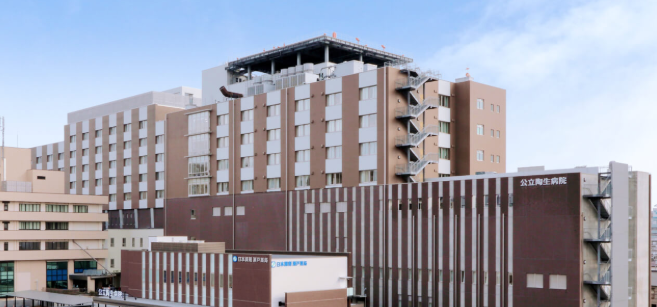
Public Tosei Hospital, 160 Nishi-Oiwake-cho, Seto, Aichi, Japan
We present a clinical implementation case of Sawaru Glyph in a medical setting. Clinical studies using Sawaru Glyph have been conducted at medical institutions in Japan and abroad, with the teaching materials provided by the author (Miyazaki).
This case was reported at the Annual Meeting of the Japanese Society of Child Neuropsychiatry and describes a clinical case study conducted by a speech-language pathologist in the speech therapy unit of Tosei General Hospital, a public hospital located in Seto City, Aichi Prefecture.
The participant was a child who exhibited both a general intellectual delay and characteristics of developmental dyslexia. An intervention using Sawaru Glyph was implemented over a period of eight months.
As a result, improvements were observed in reading fluency and letter recall, as well as in multiple indices of the Wechsler Intelligence Scale for Children (WISC).
In Japan, collaboration between medical institutions and schools or after-school day services remains a challenge in the functional approach to learning disabilities (LD).
For functional interventions targeting reading and writing difficulties, sufficient instructional frequency is essential. However, it is difficult for medical institutions alone to provide interventions with adequate frequency.
Therefore, a collaborative model in which teaching materials are used for daily instruction in schools or after-school day services, while medical institutions evaluate the outcomes, is considered to be an effective approach.